Unraveling Carbonara's Enduring Mystique: A Roman Classic's Journey
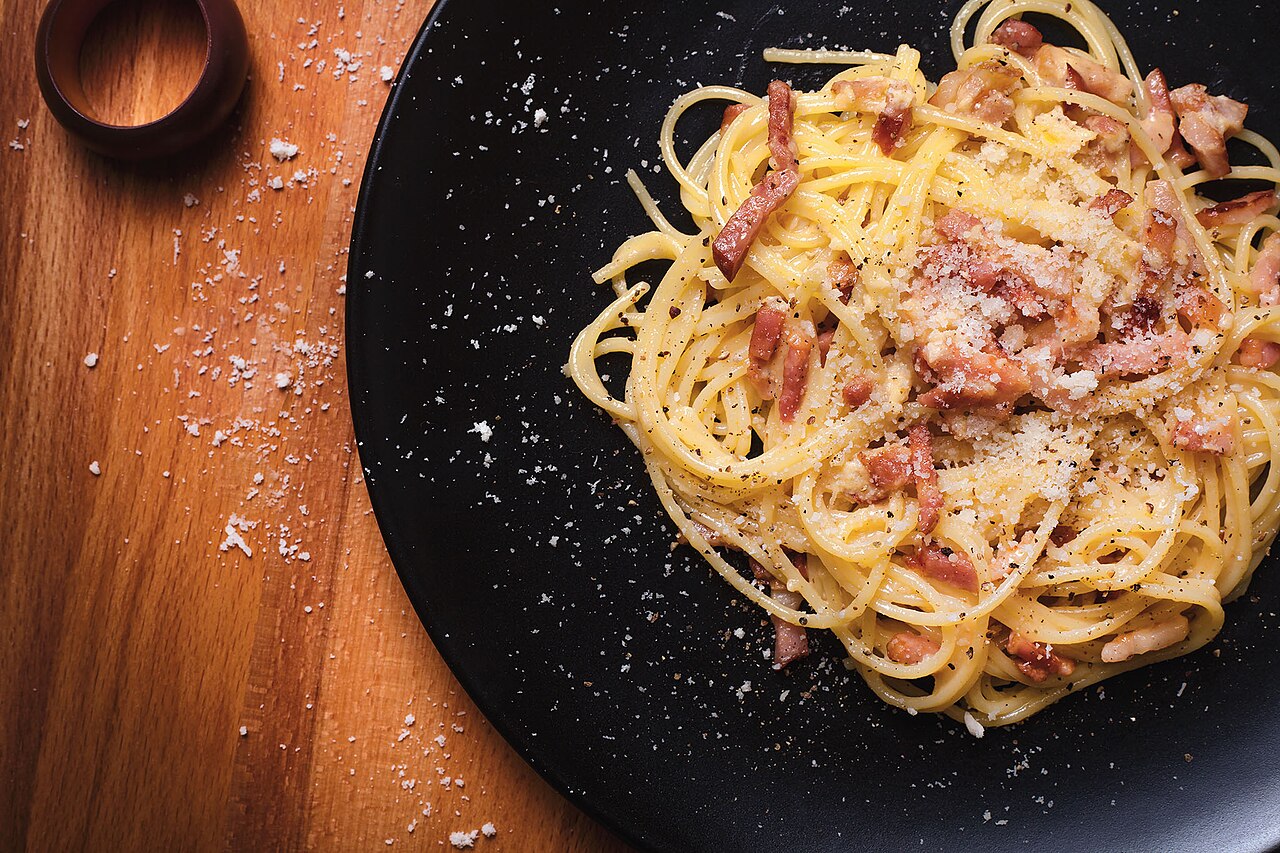
Few dishes evoke the same sense of luxurious simplicity and culinary passion as pasta carbonara. This iconic Roman creation, a symphony of cured pork, eggs, hard cheese, and black pepper, has captivated palates worldwide. More than just a meal, authentic pasta carbonara represents a cornerstone of Italian gastronomic heritage, celebrated for its rich, silky sauce and surprisingly few ingredients. Yet, beneath its seemingly straightforward preparation lies a fascinating history, shrouded in theories and culinary lore, making its journey from a humble Roman dish to a global icon all the more compelling.
For those eager to master this classic, remember that while the ingredient list is short, the technique is key. The reward? A truly indulgent experience that transports you straight to the heart of Italy. If you're ready to dive into the practicalities of making this dish, explore our guide on Authentic Carbonara in 30 Minutes: Indulge in Rome's Classic.
The Enigma of Carbonara's Origins: Fact, Fiction, and WWII
Despite its universal fame, the precise genesis of pasta carbonara remains a deliciously debated topic among food historians and enthusiasts alike. Unlike many ancient recipes with documented lineages, carbonara's past is a tapestry woven with compelling theories, each adding to its intriguing allure. Rome, a city renowned for its "four classic pastas" (cacio e pepe, amatriciana, gricia, and carbonara), certainly claims it as its own, but when and how did this particular masterpiece come into being?
Theory 1: The Charcoal Workers' Sustenance
One popular theory suggests that the dish was a staple of Italian *carbonari* – charcoal workers from the Apennine mountains. These laborers, working long hours in the wilderness, would have needed high-energy, non-perishable ingredients. Pasta, cured pork (like guanciale or pancetta), eggs, and hard cheese fit this description perfectly. The name itself, "carbonara," resonates with *carbone*, the Italian word for charcoal. It’s easy to imagine them preparing this robust dish over a fire, perhaps even on their shovels, a hearty meal to fuel their arduous work.
Theory 2: The Pepper-Dusted Explanation
A simpler, yet equally plausible, theory ties the name directly to the visual appearance of the dish. The generous amount of freshly ground black pepper, scattered over the finished pasta carbonara, is said to resemble flecks of coal. This explanation is less romantic but highlights a crucial component of the dish's flavor profile and aesthetic. The pungent kick of the pepper is as essential as the creamy sauce itself.
Theory 3: An American-Italian Culinary Alliance
Perhaps the most compelling and widely accepted theory points to a post-World War II creation. As Allied troops, particularly American soldiers, were stationed in Italy, they brought with them rations of bacon and powdered eggs. Italian chefs, resourceful and innovative, are thought to have combined these ingredients with local staples like pasta and Pecorino Romano. The story suggests that this fusion led to the earliest version of pasta carbonara as we know it today, a delicious testament to cultural exchange born out of necessity and creativity. This theory places its origin firmly in the mid-20th century, making it a relatively modern classic compared to other Roman dishes.
Regardless of its exact birth story, what truly defines pasta carbonara is its distinct technique: the masterful emulsification of eggs, cured pork fat, hard cheese, and black pepper into a rich, luscious sauce that clings perfectly to every strand of pasta.
Deconstructing the Carbonara Masterpiece: The Pillars of Authenticity
The beauty of authentic pasta carbonara lies in its deceptive simplicity. With just a handful of quality ingredients, it transforms into a dish of profound depth and satisfaction. Understanding these components and their roles is paramount to achieving carbonara nirvana.
The Essential Four (Plus One):
- Guanciale (or Pancetta): While bacon is often used in adapted recipes, true Roman pasta carbonara calls for guanciale. This cured pork jowl offers a unique depth of flavor and a superior fat that renders beautifully, forming the foundation of the sauce. Pancetta (cured pork belly) is a respectable alternative if guanciale is unavailable, but strive for the authentic.
- Eggs: The heart of the sauce. Traditional recipes often use a combination of whole eggs and extra yolks for ultimate richness and creaminess. The eggs are *never* cooked separately but gently emulsified by the residual heat of the hot pasta and the rendered pork fat.
- Pecorino Romano: This hard, salty sheep's milk cheese from Lazio is indispensable. Its sharp, tangy flavor provides a crucial counterpoint to the richness of the guanciale and eggs, elevating the entire dish. While Parmesan (Parmigiano Reggiano) can be used, it's milder and will result in a slightly different flavor profile.
- Black Pepper: Freshly cracked black pepper is not merely a seasoning; it's a co-star. Its aromatic heat is essential, resembling the "carbone" and providing a much-needed bite to the creamy sauce.
- Pasta: Spaghetti is the classic choice, its long strands perfect for capturing the silky sauce. However, other long pastas like bucatini or even short, textured shapes can also be used effectively.
The Art of the Silky Sauce: A Delicate Dance
The magic happens when the hot pasta meets the egg and cheese mixture. The goal is to create a smooth, velvety emulsion, not scrambled eggs. The heat from the freshly drained pasta, combined with a touch of starchy pasta water and the rendered fat from the guanciale, gently cooks the eggs just enough to thicken them into a sauce, without solidifying. This delicate balance is what distinguishes a truly great pasta carbonara.
Mastering the Art: Tips for a Perfect Pasta Carbonara
Achieving that perfect, luscious pasta carbonara sauce can seem daunting, but with a few key techniques and practice, you'll be creating Roman culinary poetry in no time. It's a dish that demands respect for timing and temperature.
1. Preparation is Key (Mise en Place)
Since pasta carbonara comes together in a flash, literally in the time it takes to cook the pasta, having all your ingredients prepped and ready is non-negotiable. This means your guanciale diced, eggs beaten with cheese and pepper, and a bowl ready for tossing. Speed is your ally.
2. Temper the Eggs for Creamy Carbonara
The fear of scrambled eggs in carbonara is real. To mitigate this, temper your egg mixture. Before tossing with the pasta, whisk a few tablespoons of the hot, starchy pasta cooking water into your beaten eggs and cheese. This gently raises the temperature of the eggs, making them less likely to seize and curdle when they hit the piping hot pasta. This crucial step is a secret to Creamy Carbonara Guide: Secrets to No-Curdle, Perfect Sauce.
3. Don't Discard That Pasta Water!
The starchy pasta cooking water is liquid gold. It's essential for both tempering the eggs and helping to create the emulsified sauce. The starch helps bind everything together, while the hot water adds warmth and moisture, ensuring a smooth, creamy consistency.
4. The Right Pot and Timing
Toss your pasta and egg mixture in the same pot you used for the guanciale (after draining most of the fat), or a large, warm mixing bowl. The residual heat is vital. Work quickly! As soon as the pasta is drained (do NOT rinse it), transfer it to your mixing vessel, add the egg mixture, and toss vigorously and continuously. The motion and heat will do the work.
5. Quality Ingredients Make All the Difference
With so few components, the quality of each ingredient truly shines. Seek out good quality guanciale, fresh eggs, and authentic Pecorino Romano. Avoid pre-grated cheese, which often contains anti-caking agents that hinder proper emulsification.
Carbonara's Global Journey: From Roman Trattoria to Instant Indulgence
From its contested origins in Italy, pasta carbonara has embarked on a remarkable journey, transcending borders and becoming a beloved dish across continents. Its appeal lies in its fundamental deliciousness, making it a staple in countless restaurants, home kitchens, and even, surprisingly, as a convenience food.
The global impact of carbonara is undeniable. It has inspired countless variations, some staying true to its Roman roots, others adapting it to local tastes and available ingredients. While purists might wince at adaptations that include cream, mushrooms, or other vegetables, these variations demonstrate the dish's incredible versatility and adaptability. Each iteration, whether it's a sophisticated restaurant dish or a quick weeknight meal, pays homage to the original concept of a rich, egg-based pasta sauce.
Perhaps the most extreme example of its global reach and transformation into a convenience item is products like Nissin Pasta Express Creamy Carbonara. Launched in 2013, this single-serve instant pasta utilizes Japanese straight noodle technology to deliver a texture far superior to typical instant noodles. While it features a creamy carbonara sauce with cheese, cream, and meat-like bits, and is prepared simply by adding boiling water, it stands as a testament to how far the "carbonara" concept can travel – from a meticulously crafted, fresh Roman dish to a globally manufactured, instant delight. This extreme contrast highlights the enduring appeal of the dish's core flavor profile, even when packaged for ultimate convenience. However, for the true connoisseur, nothing compares to the fresh, authentic experience.
Conclusion
Pasta carbonara is more than just a recipe; it's a culinary legend, a testament to the power of simple, high-quality ingredients transformed by skilled technique. Its enigmatic past only adds to its charm, inviting us to appreciate not just the dish itself, but the rich tapestry of history and culture it represents. Whether you delve into its origins, master its delicate preparation, or simply savor its creamy, peppery goodness, pasta carbonara continues to hold its place as a cherished global icon, inviting food lovers everywhere to partake in its timeless indulgence.
