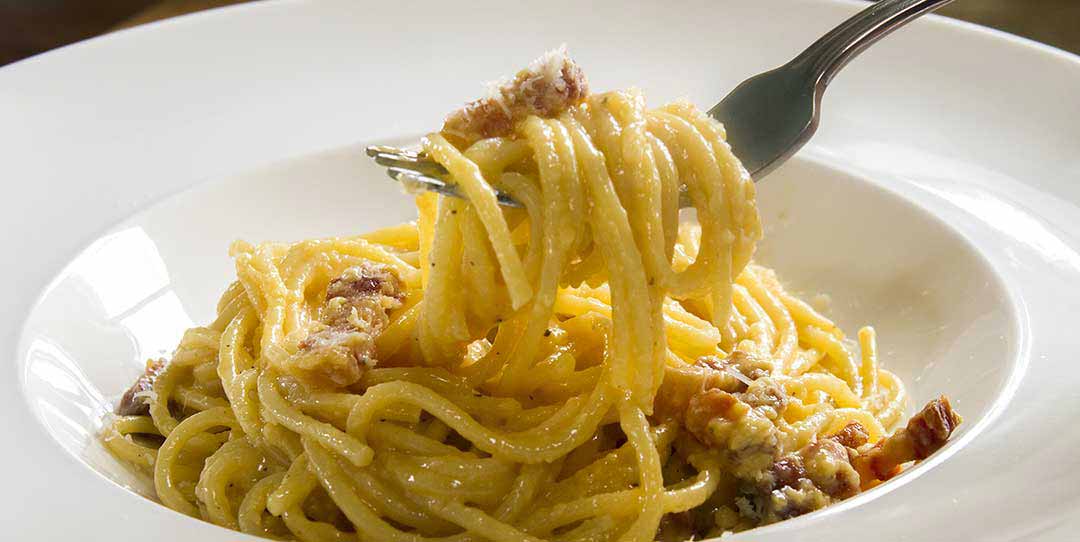
Authentic Carbonara in 30 Minutes: Indulge in Rome's Classic
Imagine a dish so rich, so utterly satisfying, it transports you straight to the bustling trattorias of Rome with every single bite. That's the magic of
Pasta Carbonara. Often misunderstood and sometimes diluted, authentic carbonara is a testament to Italian culinary genius: simple ingredients transformed into a symphony of flavor and texture. And the best part? This indulgent Roman classic can be on your table, ready to devour, in just 30 minutes. Forget the kale; today, we're splurging, and we're doing it right.
This guide isn't about compromise; it's about embracing the true spirit of carbonara – its luxurious silkiness, its peppery bite, and its irresistible savory depth. We'll demystify the process, revealing the secrets to achieving that perfect, non-curdled sauce that makes this dish an unforgettable experience.
What is Authentic Carbonara, Really? The Essence of Roman Simplicity
At its heart, authentic
pasta carbonara is a triumph of culinary alchemy, relying on a handful of high-quality ingredients to create something truly extraordinary. Forget cream, garlic, or onions – those are delicious in other dishes, but not in a true carbonara. The traditional Roman recipe adheres to a strict, yet brilliant, formula:
*
Spaghetti (or other long pasta like rigatoni or bucatini): The vessel for the magnificent sauce.
* **Guanciale**: This cured pork jowl is the undisputed star, rendering fat that forms the base of the sauce and providing crispy, intensely savory morsels. While pancetta or even good quality bacon can be substituted in a pinch, guanciale offers a depth of flavor and a superior fat for rendering that is unparalleled.
* **Eggs**: Specifically, a combination of egg yolks and often one whole egg. These, not cream, are what create the dish's signature luxurious, emulsified sauce.
* **Pecorino Romano**: A hard, salty sheep's milk cheese, essential for its sharp, tangy flavor that beautifully balances the richness of the guanciale and eggs. Parmesan (Parmigiano-Reggiano) can be used, but Pecorino Romano provides that authentic Roman punch.
* **Freshly Ground Black Pepper**: Generous amounts are crucial, not just for heat but for its aromatic complexity, lending a subtle earthiness and a visual resemblance to "coal" flecks – a potential nod to the dish's contested origins.
* **Pasta Cooking Water**: The starchy, salty liquid that helps to emulsify the sauce, binding everything together into a luscious consistency.
The magic happens when the hot pasta, removed from the heat, is tossed vigorously with the egg mixture, rendered guanciale fat, and a splash of starchy pasta water. The residual heat from the pasta gently "cooks" the eggs into a velvety, creamy coating, creating an emulsion rather than scrambled eggs. It's this technique, rather than added cream, that gives carbonara its legendary texture. It's an indulgent dish, undoubtedly, but one that rewards every single effort.
The Secret to a Silky, Creamy Carbonara Sauce (No Curdles Allowed!)
The fear of scrambled eggs often deters home cooks from attempting authentic
pasta carbonara. However, with a few key tricks, you can master the art of the perfect, silky sauce that adheres beautifully to every strand of spaghetti. The goal is to gently warm and emulsify the egg mixture, not to cook it into chunks.
The primary trick lies in
temperature control and rapid mixing. The pasta must be hot enough to "cook" the egg mixture into a sauce, but not so scorching that it causes the eggs to seize and curdle.
1. **Mise en Place is Paramount**: Because this dish comes together so quickly, having all your ingredients prepped and ready is non-negotiable. Grate your Pecorino, crack your eggs, cube your guanciale, and measure your black pepper before the pasta even hits the water.
2. **Render the Guanciale Perfectly**: Cook the cubed guanciale slowly over medium-low heat. This allows its fat to render out beautifully, creating a golden, crispy texture and a flavorful oil that is fundamental to the sauce. Don't rush this step!
3. **Temper the Eggs**: This is a game-changer. In the bowl where you'll mix your carbonara, whisk together your egg yolks (and whole egg, if using) with the grated Pecorino Romano and plenty of black pepper. Crucially, before adding the pasta, whisk in a few tablespoons of the hot, starchy pasta cooking water. This gently raises the temperature of the egg mixture, making it less likely to shock and curdle when it meets the hot pasta. For more in-depth techniques on this, consider exploring
Creamy Carbonara Guide: Secrets to No-Curdle, Perfect Sauce.
4. **Toss Off the Heat**: This is perhaps the most critical step. Once your pasta is al dente, drain it (reserving plenty of pasta water!) and immediately transfer it to the bowl with your tempered egg mixture and the rendered guanciale (and its glorious fat). *Do not place the bowl back on direct heat.*
5. **Whisk, Whisk, Whisk!**: Toss and stir vigorously with tongs or a spatula. The residual heat from the pasta, combined with the hot guanciale fat and the warm pasta water, will transform the eggs into a velvety, glossy sauce. Add reserved pasta water a tablespoon at a time if the sauce seems too thick, until it reaches your desired consistency. The starch in the water helps create that beautiful emulsion.
If your sauce seems a little lumpy on your first try, don't despair! Mastering this Roman classic takes a little practice. The key is to be confident and quick.
A Journey Through Time: The Enigmatic Origins of Carbonara
Like many beloved culinary creations, the exact origins of
spaghetti carbonara are shrouded in delicious mystery. This dish is one of Rome's revered "four classic pastas" (alongside Cacio e Pepe, Amatriciana, and Gricia), and its rich history is as captivating as its flavor. Here are some of the most popular theories surrounding its birth:
*
The "Charcoal Worker" Theory: One romantic notion suggests that carbonara was the invention of Italian "carbonari" (charcoal workers). They allegedly prepared this hearty meal over an open fire on their shovels, using readily available ingredients like cured pork, eggs, and pasta – a simple, energy-boosting meal for a strenuous job.
*
The "Coal Flecks" Theory: Another theory posits that the name simply refers to the generous amounts of freshly ground black pepper in the dish, which strikingly resemble flecks of coal ("carbone" means charcoal in Italian). This visual connection is undeniable and a strong contender for the name's etymology.
*
The American Influence Theory: Perhaps the most widely accepted theory, especially outside Italy, ties carbonara's creation to the aftermath of World War II. It suggests a fusion of traditions, where resourceful Italian chefs combined American soldiers' bacon and egg rations with local pasta and cheese, giving birth to this now-iconic dish. This theory highlights the ingenuity born out of necessity and cultural exchange.
Regardless of its true beginnings, what remains clear is that carbonara has evolved into a global culinary icon, celebrated for its unique technique and profound flavor profile. For a deeper dive into the fascinating history and cultural impact of this dish, consider reading
Unraveling Carbonara's Origins: From Roman Dish to Global Icon.
Mastering Your 30-Minute Carbonara: Expert Tips & Tricks
To truly elevate your
authentic carbonara experience and consistently nail that 30-minute promise, keep these expert tips in mind:
*
Quality Ingredients are Non-Negotiable: As with all simple Italian dishes, the fewer the ingredients, the higher their quality needs to be. Invest in good guanciale, real Pecorino Romano, and fresh eggs. It makes all the difference.
*
Cook Your Pasta Al Dente: The pasta should still have a slight bite to it. It will continue to cook slightly when tossed with the hot sauce.
*
Don't Overcook the Guanciale: You want it crispy and golden, not burnt or overly hard. The rendered fat is just as important as the crispy bits.
*
Embrace the Black Pepper: Don't be shy. Freshly cracked black pepper adds a vital aromatic and pungent kick that defines the dish.
*
Serve Immediately: Carbonara waits for no one! The sauce is at its absolute best when freshly made, coating the pasta in its warm, glossy embrace. It will thicken considerably as it cools.
Indulge in Rome's Classic, Any Day of the Week
There's a reason
pasta carbonara holds a special place in the hearts of food lovers worldwide. It’s a dish that embodies comfort, elegance, and the sheer joy of simple, high-quality ingredients coming together in perfect harmony. While it might feel like a special treat, mastering authentic carbonara in just 30 minutes makes it accessible for any weeknight or weekend craving. So, gather your ingredients, follow these steps, and prepare to indulge in a truly magnificent Roman classic. Buon appetito!