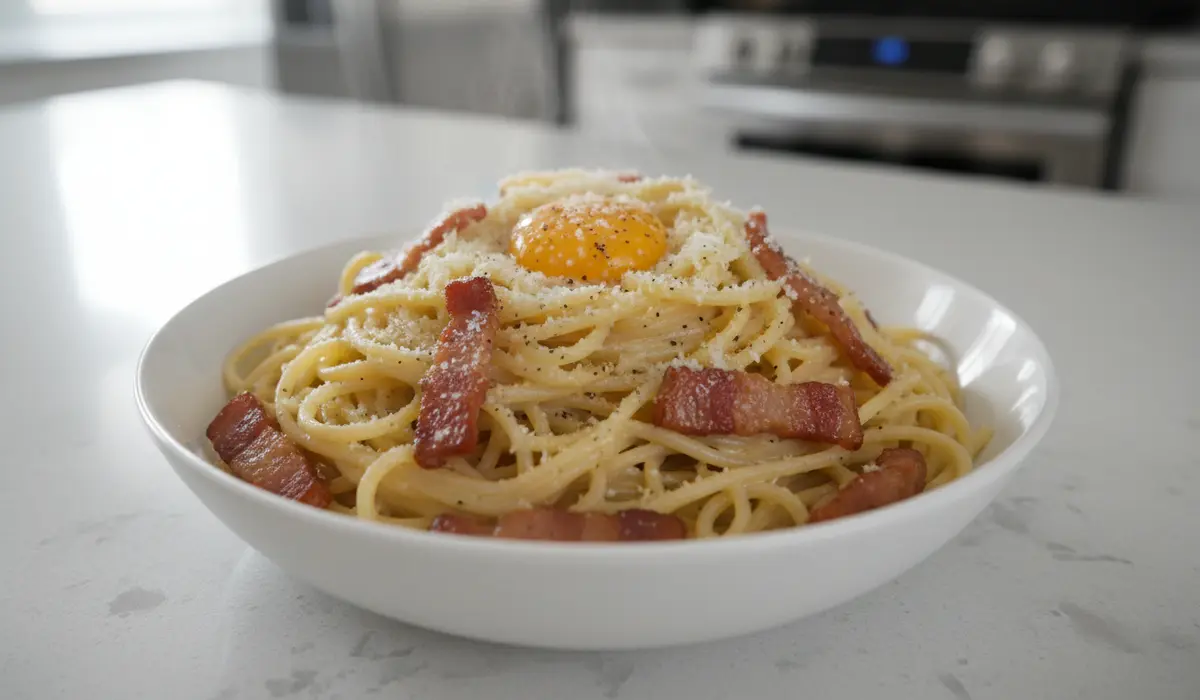
Unlocking the Magic of Creamy Carbonara: Your Ultimate Guide
There are few dishes as universally beloved and deeply satisfying as pasta carbonara. This classic Roman creation, with its luxurious, silky sauce, perfectly cooked pasta, and savory cured pork, embodies culinary comfort. Yet, many home cooks approach it with a mix of excitement and apprehension, fearing the dreaded scrambled egg effect that can ruin an otherwise perfect meal. But fear not! This comprehensive guide will demystify the art of making an authentic, no-curdle creamy carbonara sauce, ensuring a restaurant-quality experience right in your own kitchen.
From start to finish, a truly incredible pasta carbonara can be on your table in under 30 minutes – roughly the time it takes to boil the pasta itself. It’s a dish of elegant simplicity, relying on precise technique and a handful of high-quality ingredients to achieve its legendary status. While certainly an indulgent treat, perfect for when you want to splurge after a week of healthy eating, it’s a splurge worth doing right.
What is Authentic Carbonara, Really? A Journey into Roman Tradition
Before we dive into the cooking, let's appreciate the heritage of this magnificent dish. Carbonara is one of the "four pillars" of Roman pasta, alongside Cacio e Pepe, Amatriciana, and Gricia. Its origins are shrouded in delightful mystery, sparking numerous theories:
- Some say it was invented by Italian carbonari (charcoal workers), who prepared simple, hearty meals over their fires using ingredients readily available, with the dish's name reflecting their trade.
- Another theory suggests the name references the abundance of freshly ground black pepper in the dish, which resembles flecks of coal (carbone means charcoal in Italian).
- A popular belief links its creation to American soldiers stationed in Italy during World War II, who combined their rations of bacon and eggs with local pasta, creating a delicious fusion.
Regardless of its true birth story, what truly defines authentic carbonara is its ingenious technique: combining eggs (often yolks and some whole egg), hard cheese, cured pork, and plenty of black pepper into a rich, emulsified sauce. This sauce isn't cooked directly over heat but rather gently "cooked" by the residual warmth of the hot pasta and a little rendered pork fat. This indirect cooking method is the key to its unparalleled silkiness.
For more on the fascinating history of this beloved dish, explore Unraveling Carbonara's Origins: From Roman Dish to Global Icon.
The Essential Ingredients: Building Blocks of a Perfect Carbonara
The beauty of pasta carbonara lies in its minimalist ingredient list. This means every component plays a crucial role and quality truly shines through. Forget cream, garlic, or onions – these are delicious in other pasta dishes, but not in traditional carbonara!
- Pasta: Spaghetti is the classic choice, its long strands perfect for clinging to the luscious sauce. Other long pastas like bucatini or rigatoni can also work beautifully.
- Cured Pork: Guanciale is the undisputed king for authentic carbonara. This Italian cured pork jowl renders into incredibly flavorful fat and crispy bits. If guanciale is unavailable, high-quality pancetta (especially from the belly, not rolled) is an excellent substitute. Thick-cut, good-quality bacon can work in a pinch, but ensure it's not smoked or overly salty, as this will overpower the delicate balance.
- Eggs: This is where the magic happens. A traditional ratio often involves a mix of whole eggs and extra yolks, creating a richer, more vibrant sauce. For example, two whole eggs and two extra yolks for 250-300g of pasta is a good starting point. Use fresh, large eggs. If you have concerns about raw eggs, pasteurized eggs are a safe alternative.
- Cheese: Pecorino Romano is the traditional Roman choice, offering a sharp, salty, pungent flavor that cuts through the richness of the pork and eggs. While Parmesan (Parmigiano-Reggiano) can be used for a milder flavor, try to find Pecorino Romano for that authentic bite. Grate it fresh, as pre-grated cheese often contains anti-caking agents that can affect the sauce's texture.
- Black Pepper: Freshly cracked black pepper is non-negotiable. It adds a crucial aromatic warmth and a subtle, spicy kick that balances the richness.
- Salt: Only for the pasta water, and sparingly for the pork if needed. The Pecorino Romano and cured pork are already quite salty.
- Olive Oil: Just a touch, primarily to start rendering the guanciale/pancetta. Some cooks even skip this if the pork is fatty enough.
The Heart of the Dish: Mastering the Silky, No-Curdle Carbonara Sauce
This is the moment of truth, the "secret" to achieving that perfectly emulsified, creamy carbonara sauce without a hint of curdled egg. The technique relies on precision, temperature control, and swift action.
1. The Egg Mixture: A Foundation of Flavor
In a large bowl (big enough to hold your pasta later), whisk your eggs and extra yolks thoroughly. Stir in a generous amount of finely grated Pecorino Romano and plenty of freshly cracked black pepper. The mixture should be thick and slightly paste-like. Set this aside, ready for action.
2. Rendering the Pork: Building the Flavor Base
Dice your guanciale or pancetta into small lardons. In a cold pan (this helps render the fat more evenly), add the pork and a tiny drizzle of olive oil if your pork isn't very fatty. Cook over medium-low heat, slowly rendering out the fat until the pork is golden brown and crispy. This process shouldn't be rushed; take your time. Once crispy, remove the pork bits with a slotted spoon and set aside, leaving the glorious rendered fat in the pan.
3. The Pasta Water: Liquid Gold
Cook your spaghetti in well-salted water until it's al dente – just a minute or two shy of completely cooked. This is crucial because the pasta will finish cooking in the sauce. Before draining, reserve at least 1-2 cups of the starchy pasta cooking water. This water is vital; its starch content helps emulsify the sauce and create that luxurious consistency.
4. Tempering and Emulsifying: The No-Curdle Trick
This is the critical step. Drain the pasta, but do NOT rinse it. Immediately transfer the hot pasta to the bowl with your egg and cheese mixture.
Here's the trick for no-curdle carbonara:
- Work quickly. Immediately after adding the pasta to the egg mixture, drizzle in a tablespoon or two of the hot reserved pasta water and a tablespoon or two of the rendered pork fat from the pan.
- With tongs, rapidly toss and stir the pasta, egg mixture, pasta water, and fat together. The heat from the pasta, tempered by the pasta water and aided by the fat, will gently cook the eggs into a smooth, creamy sauce without scrambling them.
- Add more pasta water, a tablespoon at a time, if the sauce seems too thick or dry, continuing to toss vigorously. The goal is a luscious, glossy coating on every strand of pasta. The starch from the pasta water helps to bind everything into a cohesive, creamy emulsion.
The key is constant motion and controlling the temperature. If the pasta is too hot and you don't add enough liquid and toss fast enough, the eggs can seize. If it's too cool, the eggs won't cook, and the sauce won't emulsify. You want that sweet spot where the residual heat *gently* warms the eggs into a velvety coating.
Practical Tips for Carbonara Success
- Mise en Place is Key: Because pasta carbonara comes together so quickly, have all your ingredients prepped and ready before you start. This includes whisked eggs, grated cheese, diced pork, and reserved pasta water.
- Don't Overcook the Pork: You want crispy bits, but not burnt. Slow rendering extracts the most flavor and fat.
- Taste as You Go: Especially for seasoning. The saltiness from the Pecorino Romano and cured pork can vary.
- Serve Immediately: Carbonara waits for no one! It's at its absolute best fresh off the stove when the sauce is perfectly emulsified and warm.
- No Cream, No Garlic (Traditionally): While many recipes add cream for a "creamier" sauce, traditional pasta carbonara achieves its richness solely from eggs, cheese, and pork fat. Adding cream is a personal choice, but it deviates from the classic profile.
- Experiment with Egg Ratios: Some prefer all yolks for an incredibly rich, golden sauce; others use more whole eggs for a lighter texture. Find your perfect balance.
Mastering this dish is a culinary triumph. For those looking for a quick and satisfying meal, this Authentic Carbonara in 30 Minutes: Indulge in Rome's Classic article provides an excellent streamlined recipe.
Conclusion: Embrace the Art of Carbonara
Making a truly exceptional, no-curdle pasta carbonara is more than just following a recipe; it's about understanding the interplay of simple ingredients and mastering a straightforward yet precise technique. With patience, practice, and the tips outlined above, you can confidently create a lusciously creamy, deeply flavorful Roman classic that will impress anyone lucky enough to share your table. So, go ahead, gather your ingredients, take a deep breath, and prepare to indulge in one of Italy's greatest culinary gifts.
